



U.S. Investment Casting Growth Driven by Next-Gen Defense Systems
The Strategic Role of Investment Casting in U.S. Defense
U.S. investment casting manufacturing is entering a powerful new growth phase — driven by the urgent demands of next-generation defense systems. As geopolitical tensions rise and military technology accelerates, America’s defense industrial base is increasingly dependent on precision manufacturing capable of delivering complex, lightweight, high-strength components at scale. From advanced aircraft and unmanned systems to hypersonic weapons, naval platforms, and armored vehicles, investment casting has become a strategic manufacturing advantage for U.S. national security and global competitiveness.
Market Growth & Defense Industry Demand
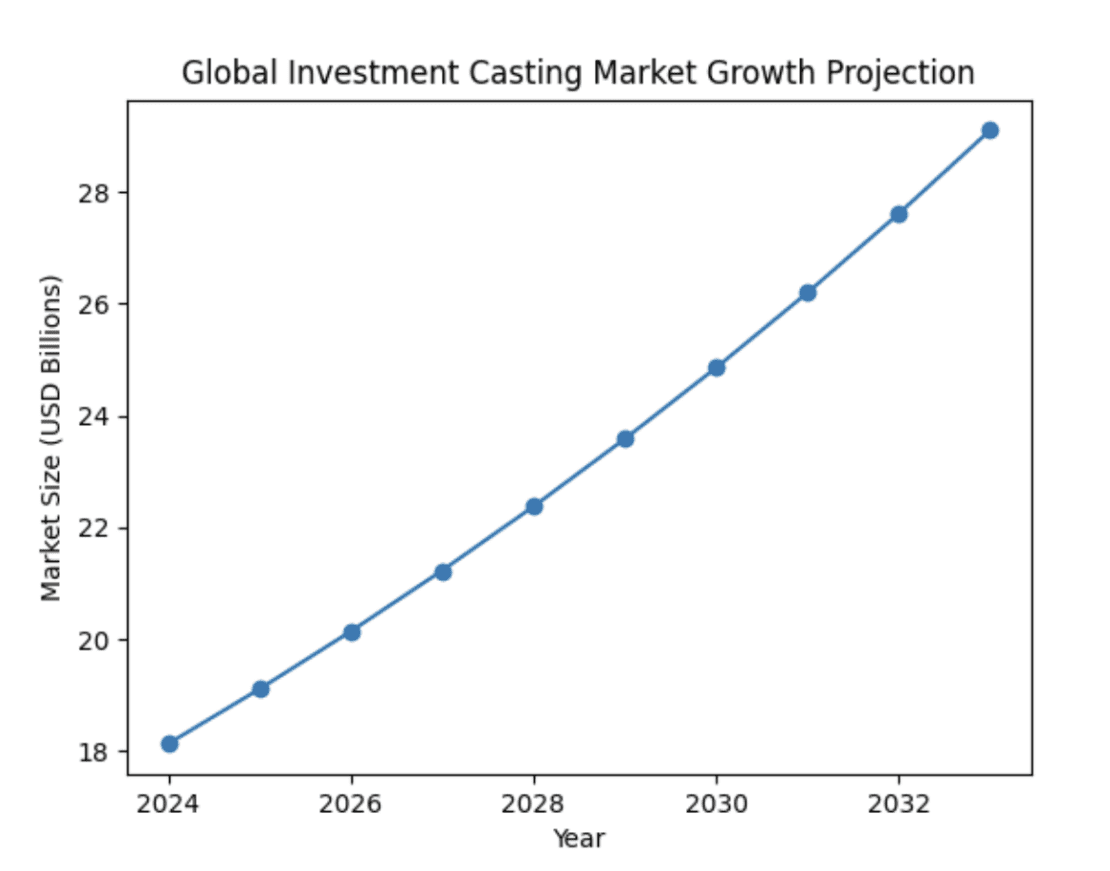
As the U.S. prioritizes military modernization, supply chain resilience, and onshoring critical manufacturing, investment casting has become indispensable for national security. Recent market data underscores this momentum:
- The global investment casting market was valued at USD 18.13 billion in 2024 and is projected to reach USD 28.96 billion by 2033, growing at a compound annual growth rate (CAGR) of 5.4% from 2025 to 2033.
- North America holds the largest share at 36.5%, with aerospace and defense applications accounting for over 45.6% of revenue in 2024.
- In the U.S. specifically, the market is expected to grow at a substantial CAGR of 5.1% through 2033.
These projections align with broader trends, including rising aircraft deliveries, surging investments in unmanned systems, and the DOW FY2026 budget emphasis on autonomy, drones, and counter-drone technologies.
As demand increases for precision components across next-generation platforms, manufacturers like Barron Industries are expanding their precision investment casting for defense applications capabilities to meet evolving military requirements.
Key Drivers of Investment Casting Demand in Defense Manufacturing
Several interconnected factors are fueling the surge in demand for investment castings in defense applications:
-
Modernization & Replenishment of Military Systems —
The U.S. military is upgrading and replacing aging systems with high-performance components to maintain superiority. Investment casting supports faster production of precise parts, shortening lead times compared to alternatives. -
Lightweighting for Next-Generation Platforms —
Reducing weight improves fuel efficiency, range, and maneuverability in aerospace and vehicles. The process excels at producing complex parts from lightweight materials like aluminum and titanium, vital for next-gen platforms. -
Complex Geometries & Precision Engineering —
Investment casting enables intricate shapes, thin walls, and integrated features that reduce assembly steps and machining needs, while achieving high internal soundness and tight tolerances to meet stringent military standards. -
Advanced Materials for Extreme Environments —
Growing requirements for superalloys, titanium, and other metals that endure extreme stress, heat, and corrosion drive adoption, as these materials are essential for reliable performance in demanding environments. -
Strengthening the U.S. Defense Supply Chain —
Geopolitical risks, past disruptions, and policy emphasis on domestic production are pushing more casting work with U.S. – based defense manufacturing companies that offer secure, onshore production of aerospace and defense components.
Applications of Investment Casting in Next-Gen U.S. Defense Systems

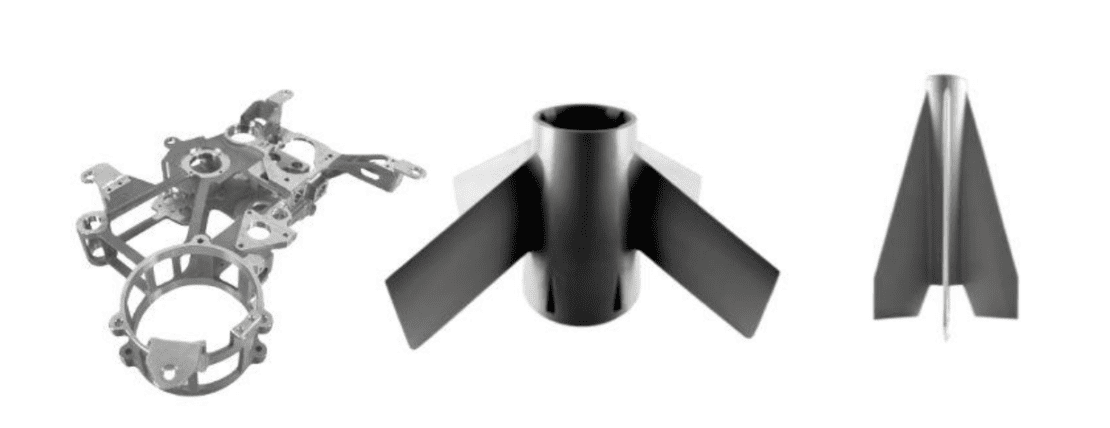
Investment casting’s capabilities make it a cornerstone for cutting-edge defense platforms. The following are key next-generation systems driving demand, with investment casting ideal for producing turbine blades, structural elements, housings, missile fins, guidance components, and other high-precision, heat-resistant parts:
-
Military Drones and Unmanned Aerial Systems (UAS) —
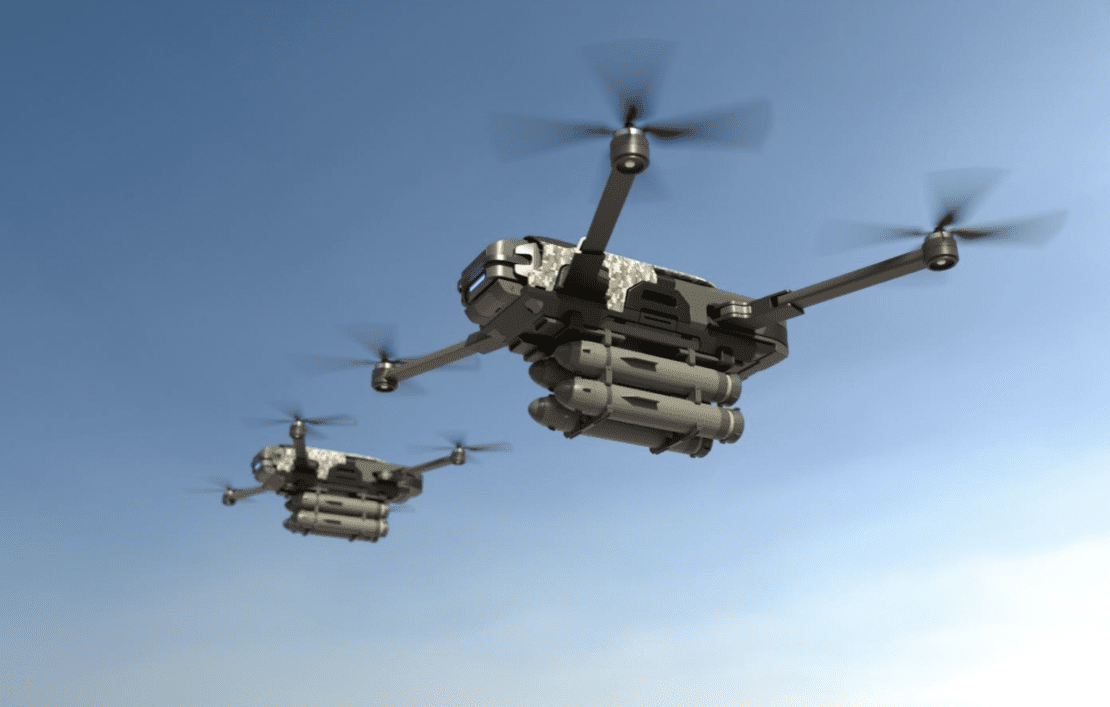
Next-gen programs like the U.S. Air Force’s Collaborative Combat Aircraft (CCA) initiative, including prototypes such as the YFQ-48 unmanned aircraft and Anduril/General Atomics designs, focus on drone wingmen that team with manned fighters for strikes, surveillance, and electronic warfare. The Army’s Future Tactical Unmanned Aircraft System (FTUAS), set for initial fielding in 2026, replaces legacy systems like the RQ-7 Shadow with modular VTOL platforms (e.g., from Textron and Griffon Aerospace). These require lightweight, complex castings for engine components, frames, and payloads to enable extended endurance and autonomy in contested environments. -
Counter-drone and Counter-UAS Technologies —
With threats from low-cost drone swarms rising, the DoD is investing billions (potentially $7.5 billion in FY2026) in counter-UAS technologies. Examples include AeroVironment’s Freedom Eagle-1 next-generation interceptor missile, high-energy laser competitions, and systems like Anduril’s Anvil interceptors integrated into Marine Corps MADIS. Investment casting supports durable, precise components for interceptors, sensors, and launchers that neutralize Groups 1–3 UAS, cruise missiles, and rotary-wing threats. -
Missile Launcher and Guidance System Components —
Hypersonic initiatives and autonomous launchers (e.g., Common Autonomous Multi-Domain Launcher) demand high-strength castings for fins, structural elements, propulsion housings, and guidance sections. These withstand extreme pressures and enable modular, rapid upgrades in systems, supporting long-range precision strikes and multi-domain operations. -
Unmanned Tactical Aerial Platforms —
This includes advanced collaborative systems like the Marine Corps’ MUX TACAIR Valkyrie (XQ-58 with Northrop autonomy software) and experimental swarm units planned for 2026. These platforms prioritize AI-driven designs for reconnaissance, attack, and teaming, requiring investment cast superalloy and titanium parts for blades, vanes, and integrated structures to achieve high performance in high-threat scenarios. -
Autonomous Surface and Ground-Based Defense Systems —
Efforts encompass unmanned surface vessels (USVs) with major Navy investments ($1.7 billion in FY2026 for autonomous systems), medium USVs, and ground platforms like the autonomous Armored Multi-Purpose Vehicle (AMPV) prototype demonstrations in 2026. These support logistics, reconnaissance, and combat in multi-domain environments, benefiting from cast components in propulsion, chassis, and sensor housings for reliability and modularity.
These applications align with DOW priorities for advanced manufacturing in crewed/uncrewed systems, naval capabilities, ground vehicles, and counter-threat defenses under initiatives like Replicator and Drone Dominance.
Technology & Future Trends in Defense Investment Casting
Innovations are making investment casting more efficient and appealing for defense:
-
Hybrid Manufacturing & 3D Printing Integration —
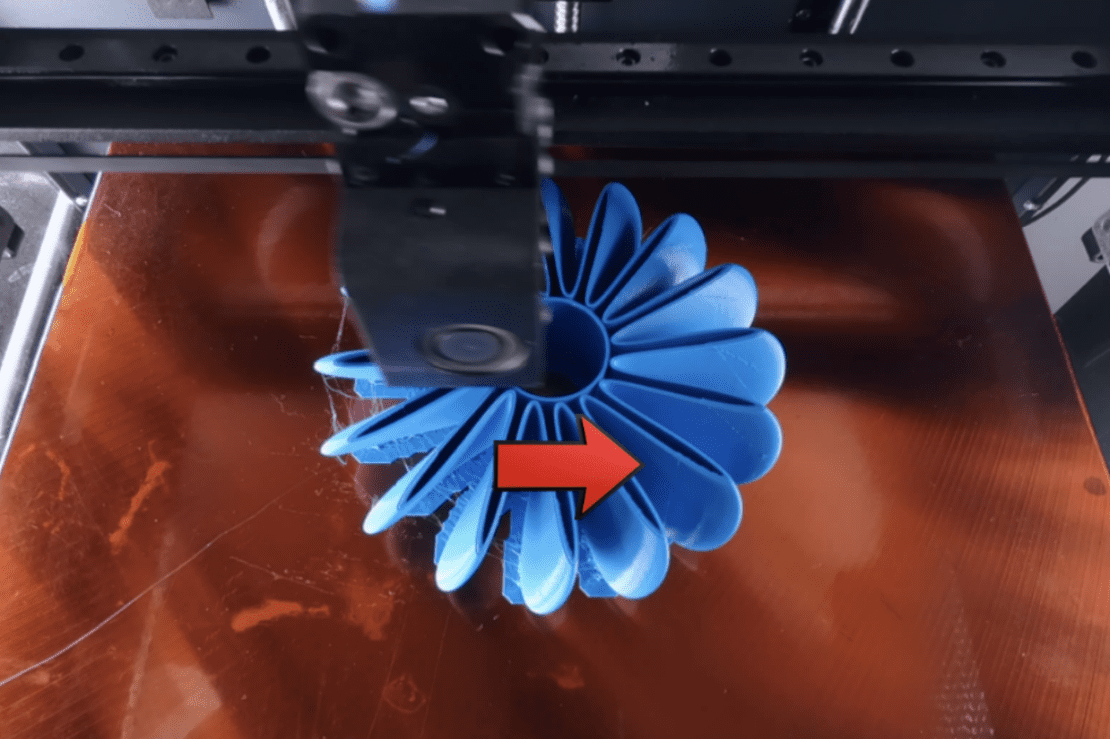
Combining with 3D printing for wax patterns or molds speeds prototyping, cuts tooling costs, and enables complex designs. -
Advanced Alloys & Digital Engineering —
Nickel-based superalloys and titanium improve performance in extreme environments, aided by CAD, simulation, and automation for superior accuracy. -
Quality Assurance, NDT & Defense Certifications —
Nickel-based superalloys and titanium improve performance in extreme environments, aided by CAD, simulation, and automation for superior accuracy.
These advancements reduce development timelines and costs, making the investment casting process ideal for low-error-tolerance fields like defense.
In summary, investment casting is emerging as a vital enabler for the precise, robust, lightweight components required in next-generation U.S. defense hardware. With projected market growth, technological progress, and strategic emphasis on domestic capabilities, the industry is set for sustained expansion critical to national security.
At Barron Industries, a leading AS9100 and ITAR – certified manufacturer in Michigan, we are deeply involved in this growth. We supply our precision cast components for the global defense companies where our parts deliver substantial weight reductions, cost savings, and performance improvements. Our expertise extends to numerous defense platforms, including components for General Dynamics, BAE Systems, Lockheed Martin and Rheinmetall programs, using aluminum, stainless steel, carbon steel, and advanced alloys.
As a leading U.S.-based defense manufacturing company, Barron Industries delivers fully integrated precision investment casting for advanced aerospace and defense components, supported by our NADCAP certified processes for non-destructive testing and welding. Contact us today for a quote and see how our capabilities can advance your defense project.