



Long-Overdue Defense Acquisition Reforms Aim to Reinvigorate the Industrial Base
Secretary of War Pete Hegseth recently announced the end of the Defense Acquisition System. The news is welcomed by defense industry suppliers long stymied by slow, complex, and costly onboarding processes. Many of these manufacturers have both the capabilities and the capacity to help reduce aerospace and defense production backlogs—but are often blocked by procedural barriers.
A Culture of Bureaucracy Slowing America’s Defense
Hegseth describes the old acquisition system as one that fostered inefficiency and complacency. He said it created unstable demand signals, uncertain projections, and a volatile customer base.
The Secretary attributes much of this inefficiency to the Joint Capabilities Integration and Development System (JCIDS), which defined acquisition requirements for defense programs. He announced that the Pentagon is cancelling JCIDS, a process that moved at the speed of paperwork, not war.
Defense Suppliers Welcome Reform
Companies across the defense supply chain view these reforms as an important step toward breaking down barriers to growth.
At Barron Industries, the challenges of supplier onboarding are familiar. For example, becoming a Navy supplier requires five separate audits. Completing those audits can take years. Barron Industries passed the first audit more than two years ago but is still waiting to be scheduled for the second. Meanwhile, the Navy and other military manufacturers continue to report shortages of the precision castings the company produces.
Castings and Forgings: A Critical Weak Link
The Department of Defense lists castings and forgings as one of four focus areas with the highest risk to national security. The Executive Order 14017 report, issued in 2022, identified these components as a top priority for strengthening the defense supply chain. Without faster approval of qualified suppliers, these vulnerabilities may continue to delay weapon and aircraft production. Such delays have already impacted readiness and delivery timelines.
Cutting Defense Manufacturing Timelines
Hegseth says the Defense Acquisition System will be renamed the Warfighting Acquisition System and the change is more than symbolic. The new system aims to shorten acquisition timelines, strengthen the defense industrial base, increase competition, and give acquisition officials more flexibility to make informed trade-offs.
Barron Industries supports these reforms. President Bruce Barron notes that traditional metalcasting remains one of the most efficient ways to meet military production needs. While the government continues to invest in metal 3D printing, that technology is often more costly and no faster than advanced investment casting methods that incorporate additive manufacturing.
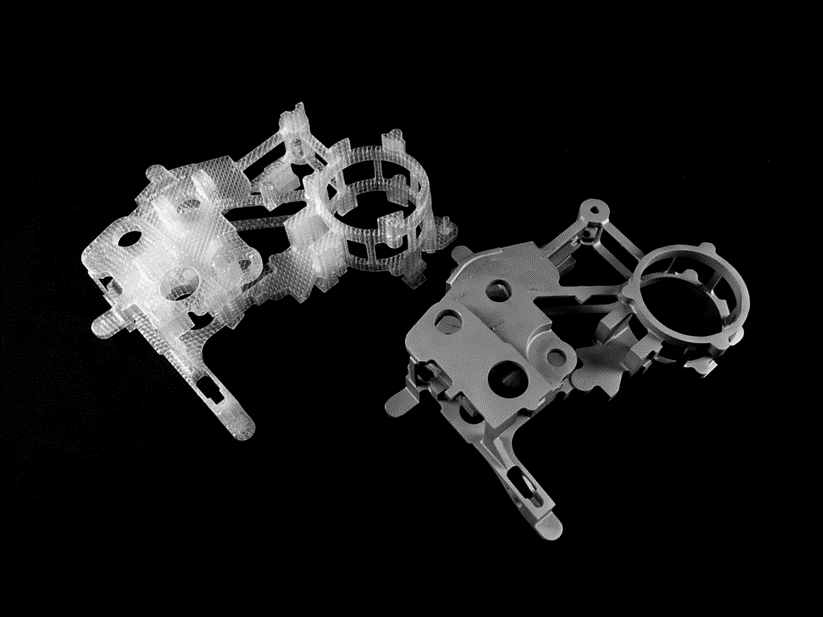
By using 3D-printed patterns, manufacturers can create investment castings in only a few weeks—comparable in lead time to 3D metal printing but at a significantly lower cost. This combination of proven casting processes and modern additive technology helps suppliers like Barron Industries deliver both speed and quality.
Reforming Foreign Military Sales
Hegseth also announced plans to streamline the Foreign Military Sales (FMS) process. He recognized that weapon sales to allies and partners support America’s global strategic goals. The reforms will move forward in coordination with the Departments of Commerce and State, which share responsibility for approving and managing these sales.
Michigan’s Arsenal of Democracy Expands Its Reach
Barron Industries welcomes the news of FMS reform. The company plans to join a Michigan trade mission to Eurosatory 2026, the world’s premier defense and homeland security event taking place next June in Paris.
Global defense spending is projected to reach $3.1 trillion by 2030, representing a 40% increase from 2023 levels. Michigan—known as the “Arsenal of Democracy” for its historic World War II production—aims to capture a larger share of this rapidly growing market. Today, more than 5,000 Michigan businesses support the defense, aerospace, and homeland security industries.
Barron intends to secure new contracts from the European divisions of the aerospace and defense primes it currently supplies in the United States and Canada. The company is expanding its advanced manufacturing facilities and adding 50 new jobs to meet rising military demand. These investments will allow Barron to increase capacity and provide faster turnaround times.
Ready to Meet the Military’s Need for Speed
With the Pentagon removing outdated processes and rolling out a more agile Warfighting Acquisition System, U.S. manufacturers are positioned to deliver high-quality components on shorter timelines. For companies like Barron Industries, these reforms offer a long-awaited opportunity to strengthen the defense supply chain, reduce costs, and support the readiness of the U.S. and allied forces.
Contact Barron Industries today to learn how our investment casting expertise can support your next aerospace or defense program.