



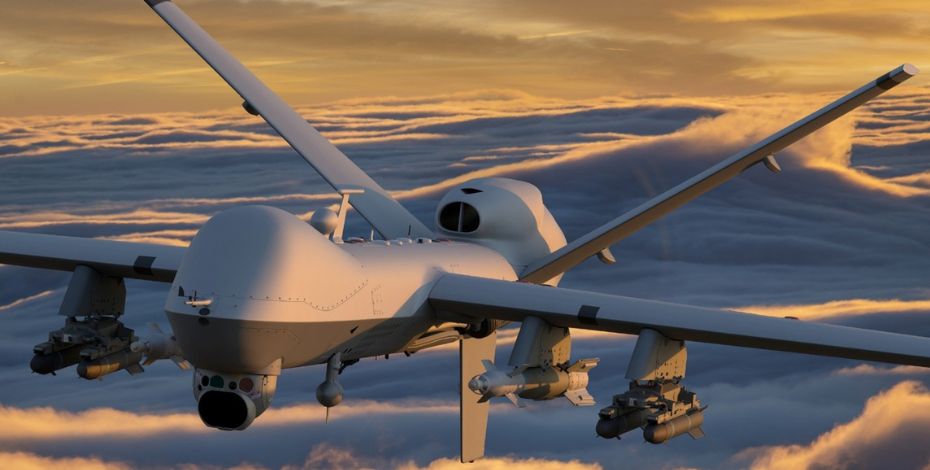
Challenges and Opportunities in Meeting Unprecedented Defense Manufacturing Demand for Next-Generation Systems
The global defense landscape has shifted dramatically. From Eastern Europe to the Indo-Pacific, modern conflicts and rising geopolitical tensions have accelerated investment in advanced military technologies. The result is unprecedented demand for:
- Military drones and UAV platforms
- Counter-drone (Counter-UAS) systems
- Missile launcher and guidance system components
- Unmanned tactical aerial platforms
- Autonomous surface and ground-based defense systems
For American defense contractors and their suppliers, this moment represents both a historic opportunity and a significant manufacturing challenge.
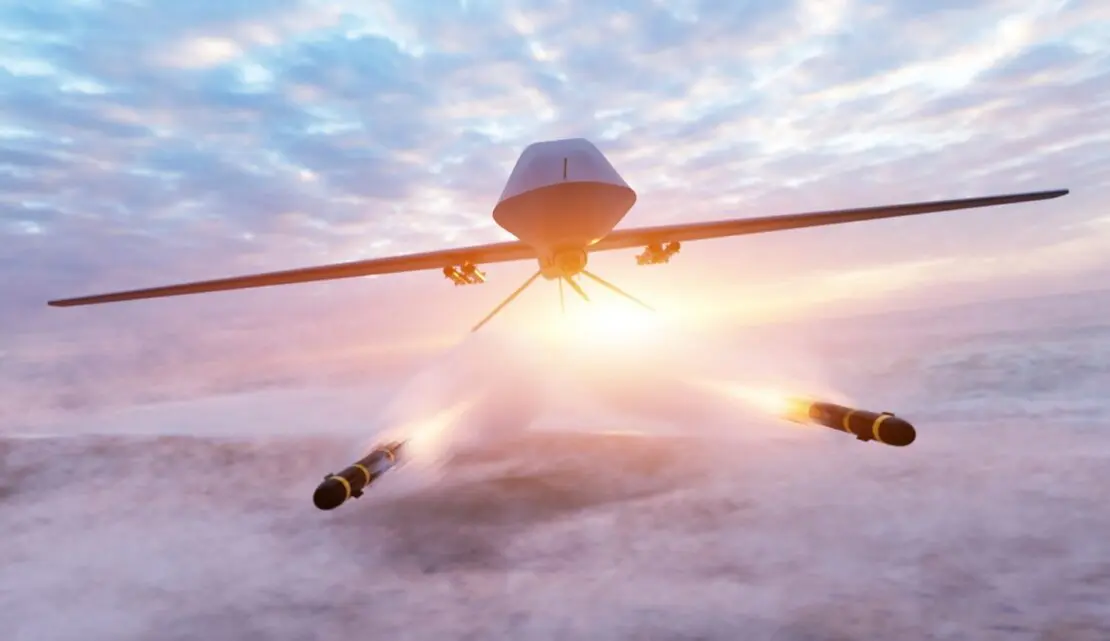
Why Is Demand Surging For Defense Manufacturing?
1. The Drone-Centric Battlefield
Modern warfare has proven that unmanned systems are no longer optional — they are central to operational strategy. Tactical UAVs provide surveillance, targeting, logistics, and strike capabilities at lower cost and reduced risk to personnel.
2. Counter-UAS as a National Priority
The proliferation of low-cost drones and drone swarms has created urgent demand for advanced Counter-UAS systems capable of detection, electronic warfare, and kinetic interception to protect military assets and civilian infrastructure.
3. Precision Strike Modernization
Missile launcher platforms and advanced guidance systems are undergoing rapid modernization. These systems demand lighter, stronger, and more thermally resilient components capable of performing in extreme environments.
4. Autonomous Multi-Domain Operations
The U.S. Department of Defense and allied nations are investing heavily in autonomous ground vehicles, unmanned surface vessels, and AI-enabled tactical aerial platforms to enhance deterrence and operational flexibility.

U.S. Companies Leading Next-Generation Defense Innovation
A robust domestic industrial base is driving rapid advancement across next-generation defense technologies. American defense manufacturers are at the forefront of developing and deploying critical systems that support national security and allied operations worldwide.
Across key capability areas:
Military Drones & UAV Platforms
U.S. manufacturers are leading the development of advanced unmanned aerial systems that deliver intelligence, surveillance, reconnaissance, and precision strike capabilities with increasing autonomy and efficiency.
Counter-Drone (Counter-UAS) Systems
Innovators are rapidly advancing technologies designed to detect, track, and neutralize hostile drones, integrating radar, electronic warfare, and kinetic interception solutions to protect both military and civilian infrastructure.
Missile Launchers & Guidance Systems
Next-generation launcher platforms and precision guidance technologies are being engineered to deliver greater accuracy, survivability, and performance in highly contested environments.
Autonomous Surface & Ground-Based Systems
American engineering is accelerating the deployment of autonomous ground vehicles and unmanned surface vessels, enabling multi-domain operations with enhanced mobility, adaptability, and reduced risk to personnel.
These advancements are made possible by a highly integrated ecosystem of manufacturers, suppliers, and technology partners working together to deliver the precision components and systems required for modern defense platforms. From propulsion and guidance assemblies to structural housings and sensor enclosures, this collaborative network is essential to maintaining technological superiority and operational readiness.

Key Manufacturing Challenges for American Defense Contractors
While demand is historic, the path to fulfillment is complex.
1. Supply Chain Bottlenecks
Surges in production for drones, missile systems, and autonomous platforms have strained raw material supplies — particularly aerospace-grade aluminum, titanium, specialty alloys, and electronic components. Lead times have lengthened, requiring better forecasting and domestic sourcing strategies.
2. Capacity & Scalability
Many defense programs now require accelerated ramp-up timelines. Contractors must expand machining, casting, fabrication, and assembly capacity while maintaining strict quality and traceability standards.
3. Workforce Gaps
Advanced manufacturing demands skilled machinists, engineers, quality specialists, and metallurgists. Nationwide workforce shortages create pressure to recruit, train, and retain highly qualified personnel.
4. Regulatory & Compliance Complexity
ITAR, cybersecurity requirements, AS9100 certifications, and evolving defense acquisition standards demand robust internal systems and documentation processes.
Strategic Opportunities for American Defense Manufacturing
Despite these challenges, this moment represents a generational opportunity for the U.S. defense industrial base.
- Re-shoring and Domestic Investment: Federal policy and allied procurement strategies increasingly prioritize American-made components.
- Allied Demand Growth: NATO partners and Indo-Pacific allies are accelerating procurement of U.S.-developed UAVs, missile systems, and counter-drone technologies.
- Technology Acceleration: Lightweight materials, additive manufacturing, and precision casting innovations allow suppliers to deliver stronger, lighter, and more efficient components.
- Supply Chain Resilience Initiatives: Public-private partnerships are strengthening domestic production capacity to reduce foreign dependency.
Suppliers that can provide precision, scalability, and reliability are becoming critical strategic assets within this ecosystem.

Barron Industries: Accelerating Critical Defense Manufacturing
As demand for military drones, missile guidance systems, autonomous vehicles, and counter-UAS technologies grows, Barron Industries plays a vital role within the American defense supply chain.
We support next-generation defense manufacturers with:
- Lightweight, high-strength precision components
- Tight-tolerance machining and complex geometry production
- Aerospace and defense grade material expertise
- Scalable domestic manufacturing capacity
- Rigorous quality control and compliance standards
From structural UAV components and missile fins, to housings for guidance systems and precision parts for launcher assemblies and autonomous platforms, Barron Industries helps prime contractors and Tier 1 suppliers accelerate production while maintaining performance and reliability.
In an era where speed, resilience, and innovation define national security readiness, strong domestic suppliers are not optional — they are essential.
Barron Industries is proud to be part of the American manufacturing base helping deliver the technologies that protect the United States and its allies. Contact us today to discuss your defense component needs.